


17 January 2026
How Christmas is celebrated in Spain

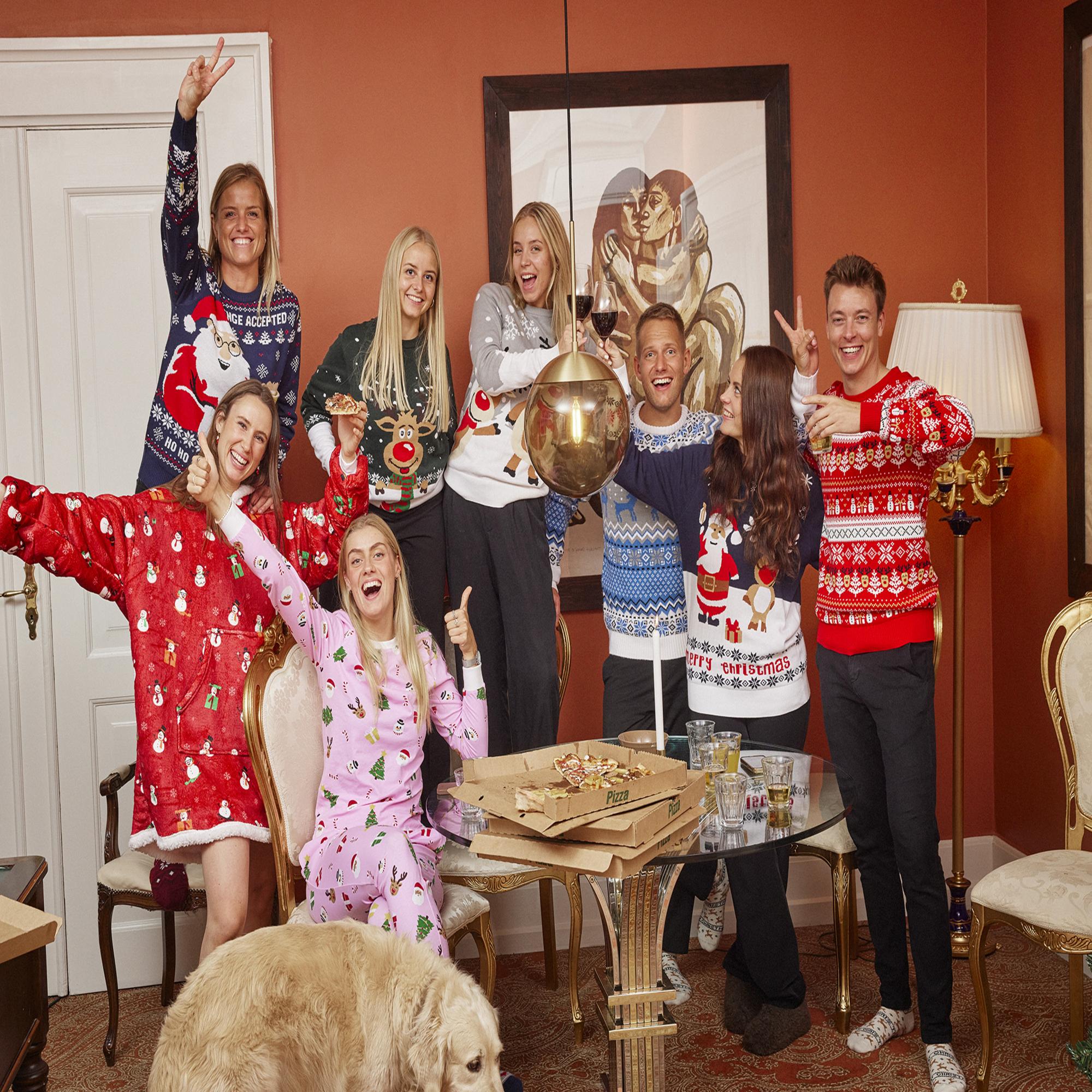
Spain’s Christmas season stretches far beyond a single night, mixing solemn masses, boisterous street parades and long family meals across a lively six-week period. In towns and cities you will see public nativity displays and neighbourhood traditions side by side, and it is common to spot people wearing a festive Christmas sweater or matching pajamas at family gatherings and local events.
Overview of the season
The holiday period typically runs from early December through 6 January, blending religious observance, intimate family time and large public celebrations. Regional differences shape how specific days are marked, so Madrid, Valencia and Catalonia can feel quite distinct in pace and emphasis. Major peaks include the national lottery draw and the Three Kings festivities, which many locals consider the season’s high point.
Key features to expect
- Calendar highlights such as El Gordo and the Cabalgata of the Three Kings.
- Signature foods and sweets that appear at dinners and street stalls.
- Religious and popular customs like nativity displays, midnight mass and carols.
- New Year’s rituals including the televised countdown and the twelve grapes tradition.
Children’s excitement is often punctuated by colourful parades and family treats, and parents commonly choose themed outfits like a playful ugly Christmas sweater or coordinating kids Christmas sweater to make the evening memorable. For practical ideas on festive apparel that suits parades and family dinners, see options for a classic Christmas sweater and playful ugly Christmas sweater styles.
Key dates and main traditions
The Spanish holiday calendar brings a steady rhythm of public holidays, family gatherings and public spectacles from early December through 6 January. Below is a practical timeline of the principal dates and what typically happens on each.
- 6 December Constitution Day — Many cities observe a quieter public holiday with shops and offices often closed.
- 8 December Immaculate Conception and lighting ceremonies — Municipal lights and public nativity displays are often switched on around this date.
- 22 December El Gordo national lottery draw — The big lottery attracts nationwide attention and signals the start of the busiest festive stretch.
- 24 December Nochebuena — Families typically gather for a large evening meal, followed in many places by Misa del Gallo at midnight.
- 25 December Navidad — Christmas Day is reserved for family time and relaxed meals; gift-giving varies by household practice.
- 28 December Día de los Santos Inocentes — A day for jokes and pranks that many treat like a national April Fools.
- 31 December Nochevieja — The televised countdown from Puerta del Sol forms the national focal point, and people eat twelve grapes at the twelve clock strikes.
- 5 January Cabalgata de los Reyes — Evening parades with floats and candy thrown to crowds announce the coming of the Three Kings.
- 6 January Día de Reyes — Epiphany is the traditional gift day for many families, often celebrated with Roscón de Reyes.
Food and seasonal sweets
Holiday menus combine seafood starters, substantial roasted mains and an array of confections. Typical elements include seafood such as prawns and shellfish for Nochebuena, followed by roasted meats like lamb or turkey. Desserts and sweets are a major feature throughout the season.
- Turrón almond nougat appears in many homes as a staple festive sweet.
- Polvorones and marzipan are common bite-sized confections served after meals or with coffee.
- Churros and buñuelos feature at street stalls and winter markets.
- Roscón de Reyes is a ring-shaped cake eaten on 6 January that typically contains a hidden figurine and a bean, with playful consequences for the finder.
Religious and symbolic observances
Nativity scenes known as belén are displayed in homes, churches and public squares, ranging from modest home sets to elaborate community installations. Misa del Gallo, the traditional midnight mass on Christmas Eve, remains central to religious observance. Villancicos, the familiar carols, are sung in services and at many public events throughout the season.
Public events and civic rituals
El Gordo is a national event with live broadcasts and jubilant public reactions when major prizes are announced. The Cabalgata de los Reyes takes place on the evening of 5 January with elaborately decorated floats and performers who distribute sweets to onlookers. Cities and towns also stage festive lighting and seasonal markets, offering municipal nativity displays and food stalls that draw crowds in the evenings.
Popular superstitions and informal customs
New Year’s Eve customs include eating one grape at each of the twelve clock strikes for good luck and the playful habit of wearing red underwear to invite fortune in the year ahead. Fireworks and outdoor celebrations are common in many towns, with larger urban gatherings around the televised countdown attracting both locals and visitors.
Attire for celebrations
Attendance at parades and large family meals often calls for festive but practical outfits. It is common to see people wearing a Christmas sweater for warmth and spirit at outdoor events, and families sometimes coordinate with a kids christmas sweater to create a cohesive look for photos and gatherings. For relaxed evenings at home, matching christmas pajamas or Christmas loungewear are popular choices.
FAQ
Q: When does the Spanish holiday season begin and end? A: The season runs from early December public observances through Epiphany on 6 January, with peaks around 22 December, 24–25 December, 31 December and 5–6 January.
Q: What is El Gordo and why does it matter to the season? A: El Gordo is the large national lottery draw in late December; its results mark the start of the busiest festive period and draw wide public attention.
Q: Who brings gifts to children? A: Traditionally the Three Wise Men bring gifts on 6 January, though some families exchange presents on 25 December as well.
Regional variations and local color
Spain’s long festive season is coloured by strong regional character, and that variety is part of the charm. In the Comunitat Valenciana you will notice seafood stalls, bright street lights and local sweets appearing alongside outdoor nativity displays. The air often carries the scent of roasted almonds and orange peels, while families and neighbours gather around tables that reflect coastal tastes.
In Catalonia the atmosphere changes. You may hear the steady tap of the Tió de Nadal as people sing and hit the log to coax out small gifts and sweets. The tradition sits beside larger public events, and shops often feature Catalan versions of seasonal treats. Wearing a cheerful Christmas sweater to outdoor markets is common, adding a pop of colour against the winter sky.
In the Basque Country and Galicia menus lean toward hearty seafood and inland game, with gatherings that feel more intimate when the weather turns colder. Andalusia offers a milder climate and more outdoor celebrations, where streets are busy late into the evening and the smell of frying dough from local stalls mixes with the scent of pine from seasonal decorations. Across regions you will see urban parades and markets contrasted with quiet village beléns and small processions that keep local tradition alive.
Practical notes for visitors
Timing is important when you travel during the holiday stretch. Many shops and services operate reduced hours around public holidays, so plan errands for early December or the few weekdays between peaks. Expect large crowds on key dates: the national lottery draw, New Year’s Eve and the Three Kings parade evenings attract locals and visitors in equal measure.
Most main events take place in the evening. Parades usually begin after dusk, main family meals are late in the evening, and midnight mass happens close to midnight. If you want to be part of the Puerta del Sol countdown or the Cabalgata, arrive early to secure a good spot and enjoy the music and chatter as lights come on.
Weather will shape what you bring. Southern cities often stay mild enough for outdoor wandering, while northern areas turn brisk and call for warmer layers. A cosy Christmas sweater is a handy garment for both warmth and festive feeling, and soft christmas pajamas make for comfortable evenings after long days of sightseeing and market browsing. Tip: Carry a small daypack for purchases and keep water and light snacks handy during long queues.
Must-see events and quick checklist
- 22 December: El Gordo draw atmosphere in public squares.
- 24 December: Nochebuena dinners and late evening services.
- 31 December: Puerta del Sol countdown and the twelve grapes at midnight.
- 5 January: Cabalgata de los Reyes parades with sweets tossed to the crowd.
- 6 January: Día de Reyes celebrations and Roscón de Reyes shared in the morning.
For a touch of home comfort while you explore, consider packing a classic christmas sweater for outdoor events, and bring matching christmas pajamas for cosy nights in after market strolls. Both pieces help you blend into the festive spirit without affecting local customs.
Frequently asked questions
When does the Spanish holiday season begin and end?
The season runs from early December public observances through Epiphany on 6 January, with peaks around 22 December, 24–25 December, 31 December and 5–6 January.
What is El Gordo and why does it matter to the season?
El Gordo is the large national lottery draw in late December. Its results and the public excitement that follows mark the start of the busiest festive stretch and are widely followed on radio and television.
Who traditionally brings gifts to children in Spain?
Traditionally the Three Wise Men bring gifts on 6 January, though some households exchange presents on 25 December as well; regional and family customs vary.
What is the Twelve Grapes tradition?
At midnight on New Year’s Eve people eat one grape at each of the twelve clock strikes for luck in the coming year. The live broadcast from Puerta del Sol in Madrid serves as the national focal point.
What are the most typical Spanish Christmas foods and sweets?
Common items include seafood at Nochebuena, roasted meats for the main course and sweets such as turrón, polvorones, marzipan and the Roscón de Reyes.
What is a belén and where is it displayed?
A belén is a nativity scene showing the birth of Jesus. You will find beléns in homes, churches and public squares, sometimes as detailed community installations that draw visitors throughout the season.
What is the Cabalgata de los Reyes?
The Cabalgata is an evening parade on 5 January featuring the Three Kings arriving by float, with performers who distribute sweets to onlookers; it leads into the gift-giving traditions on 6 January.
Are there notable regional customs visitors should expect?
Yes. Expect Catalonia’s Tió de Nadal, different menus across regions and more outdoor festivities in southern coastal areas compared with indoor-focused events in colder northern provinces.
Also view
18 January 2026
Christmas often stands apart from other holidays because it combines repeated customs, focused family time and familiar seasonal signa...