


18 January 2026
What is special about Christmas?

Christmas often stands apart from other holidays because it combines repeated customs, focused family time and familiar seasonal signals into a compact, highly ritualized period. Those repeated moments create expectations that make each December feel recognizably like itself: shared meals, planned ceremonies and familiar décor that return year after year. At the same time cultural and religious layers give many of those practices added meaning, while simple comforts keep gatherings relaxed and communal.
Elements that make Christmas distinct
Communal warmth and togetherness are central. Family rituals, small gatherings and evenings spent with loved ones give the season its social core. Repetition matters: predictable customs build continuity across generations and make simple actions feel significant. Strong seasonal cues also mark the time: lights and decorations, specific colours and key dates create a public signal that the season has arrived.
Practical signs and everyday rituals
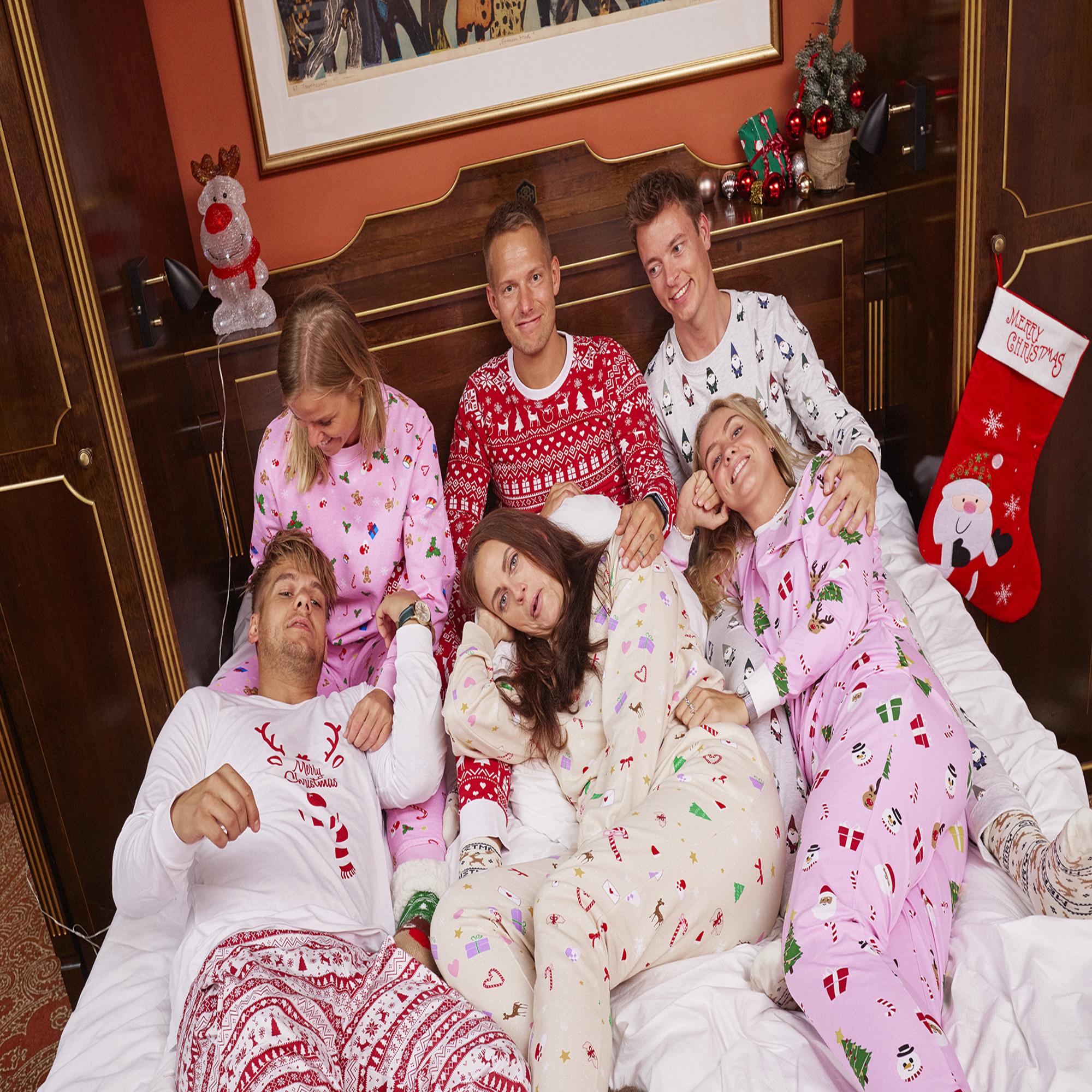
On a practical level the holiday appears through everyday practices: putting up a tree, planning festive meals and choosing what to wear for family nights. Many people bring a playful note into those moments with themed apparel, from a classic Christmas sweater at a family dinner to coordinated sets or cosy christmas loungewear for relaxed evenings. For more humorous occasions an ugly christmas sweater can become part of the ritual, sparking laughter and easy conversation.
What to expect next
The rest of the article will explore the holiday’s social heart, the key symbols that repeat each year and the everyday practices that give December its shape.
Social and emotional core
Christmas centers on small, repeated gestures that make time feel set apart. Shared low-key moments—evenings with close friends, casual game nights and relaxed mornings spent baking—give the season an emotional anchor. Family rituals reinforce belonging by creating predictable roles and shared expectations: who lights the candles, who brings the dessert and which songs get sung. Those repeated occasions accumulate meaning so that a simple action, like putting on a special jumper for a family dinner, becomes a clue that the holiday has arrived.
Light and atmosphere
Warm lighting plays a practical and symbolic part in December. Window candles, strings on the tree and small lamps in gathering spaces extend daylight and set a calmer tempo for evening hours. Lights also act as a common signal that binds private moments into a shared season: seeing a street lined with lights or a home with a lit wreath cues others that the calendar has shifted and invites participation in the same rituals.
Visual language and color symbolism
Color choices provide an immediate visual shorthand for the season. A consistent palette of red, green and gold appears in decorations and clothing because those hues carry layered associations: red can evoke historic religious references, green suggests endurance through winter and gold hints at gifts and celebration. When these colors are repeated across tree ornaments, table settings and apparel they create a cohesive look that makes a room or a gathering feel recognizably festive.
Calendar and timing of celebrations
Specific days and countdowns help structure expectation during December. A preparatory period with weekly mark-making on a wreath or calendar builds a sense of anticipation, and certain evenings become focal points for gatherings, meals and present opening. For some households the main exchange of gifts takes place on the evening before the holiday itself, which concentrates ceremony into a single family night and makes the preceding weeks feel like a lead-up to that moment.
Food traditions and shared meals
Meals perform a clear organizing function: a special dinner gives the day a rhythm, and signature dishes set expectations for what will happen and when. Roast mains, rich side dishes and distinctive desserts serve as temporal markers that many guests recall long after the plates are cleared. There is also room for playful customs tied to food, such as hiding a token in a dessert so the finder earns a small prize or an extra task that invites laughter and involvement across ages.
Baking, scents and sensory memory
Baking routines bring structure to quieter days and offer an easy way for different generations to work together. Preparing cookies or confections often follows familiar recipes and shared techniques, which both teach and preserve family knowledge. The aromas associated with these activities act as powerful memory cues, making a particular spice blend or pastry shape instantly evocative of past celebrations.
Practical dress and small rituals
Clothing choices help signal intention without needing words. Putting on a favorite festive top, wearing coordinated sleepwear for a morning photo or choosing playful socks for an informal gathering are simple rituals that mark a moment as distinct from everyday life. A classic Christmas sweater can be the subtle cue that a night is for family, while cozy christmas loungewear suits slow mornings and baking sessions. For households with children, a kids christmas sweater often becomes part of the photographic record that keeps the memory alive.
Bringing these elements together
When warmth, light, consistent color, calendar markers, signature dishes and familiar garments align, they create a compact, repeatable package that feels like the holiday. Each element supports the others: lights set the mood for an evening meal, a particular dessert closes the main course, and a familiar sweater signals that time is set aside. Those overlaps are what make Christmas feel both distinctive and familiarly comforting.
Religious and cultural layers
Beyond twinkling lights and family dinners lies a patchwork of meanings that give the season depth. For many, Christmas retains clear Christian references such as the Nativity and Advent traditions. Those elements sit beside secular customs that have grown over centuries. In practice this means a church service, a community concert or simply a street parade can all feel like part of the same season. Local customs add further colour: some towns hold centuries-old processions, while others mark the day with a city market and mulled wine. The result is a rich blend where sacred memories, neighbourhood habits and popular entertainment coexist, each contributing to how people experience December evenings.
The layering also shows in objects and sounds. A carol sung in a chapel, the smell of candles warmed on a windowsill, and the sight of wrapped gifts under a tree belong to different cultural strands, yet they come together to make the month feel whole. Wearing a Christmas sweater on a chilly evening or slipping into soft christmas loungewear while listening to seasonal music are small acts that weave personal practice into broader traditions.
Tradition versus change
Tradition creates continuity, while change keeps the season alive. Many households keep an annual meal or a specific lighting habit that hardly varies. At the same time new decorative trends, different gift timings or alternative gatherings introduce fresh notes. Some families replace formal dinners with a string of intimate evenings, others adopt menus influenced by global tastes. Sustainability and secondhand finds have become part of this evolution, as people seek ways to honour the past while adapting to present values.
Change also appears in shared public rituals. A market might add contemporary crafts alongside traditional stalls, and a familiar carol playlist can be updated with current artists. These shifts do not erase tradition; they expand it and allow more people to find entry points into the season.
Practical manifestations in daily life
On an everyday level Christmas organizes ordinary tasks into meaningful moments. Calendars map out tree decorating evenings, communal cooking slots and times for gift-wrapping. A playlist of seasonal songs can turn a laundry afternoon into a cosy workshop. People create micro-traditions to manage the month: a candle-lit reading hour after dinner, a weekend for gift-wrapping with tea and biscuits, or a Saturday devoted to visiting local lights. These small structures give December a gentle rhythm and make busy days feel intentional.
Clothing often plays its part in these micro-traditions. Choosing to wear a Christmas sweater for a family photo, or putting on relaxed christmas loungewear while making a homemade calendar, signals that time is set aside. Such choices are practical, sensory and social at the same time: the warmth of knit, the comfort of soft fabric and the shared recognition from others turn a simple outfit into a marker of the season.
Seven elements that commonly make Christmas special
- Togetherness: Shared meals, evening conversations and small gatherings.
- Light: Candles, tree lights and window displays that stretch evening hours.
- Food: Signature mains and desserts that anchor the day.
- Tradition timing: Countdown activities and specific evening ceremonies.
- Colour and ornament: Repeated palettes and decorations that signal the season.
- Baking and scents: The smell of spices, citrus and roasted aromas that trigger memory.
- Religious meaning: Nativity observances and Advent markers for many households.
Frequently asked questions
What makes Christmas feel different from other holidays?
Christmas often combines repeated traditions, strong sensory cues and focused family time into one concentrated period. The mix of predictable ceremonies and familiar smells and sounds creates a distinctive seasonal atmosphere.
Why is “hygge” often mentioned in descriptions of Christmas?
Hygge refers to intimate, cosy moments: warm lighting, slow conversations and simple comforts. Those elements match how many people arrange December evenings, which is why the word appears so often when describing seasonal mood.
Why are candles and lights such a prominent part of the season?
Lighting serves practical and symbolic purposes. In darker months, extra light extends social hours. Symbolically, lights mark preparation and celebration, appearing in wreaths, windows and trees to signal shared observance.
What do the traditional Christmas colours symbolize?
Red is often linked with historic religious references, green suggests endurance through winter and gold hints at gifts and celebration. Together they give decorations immediate seasonal meaning.
Also view
18 January 2026
The annual question hangs in the air: what do women want for Christmas? Answers shift with taste, age, relationship and budget, so sta...